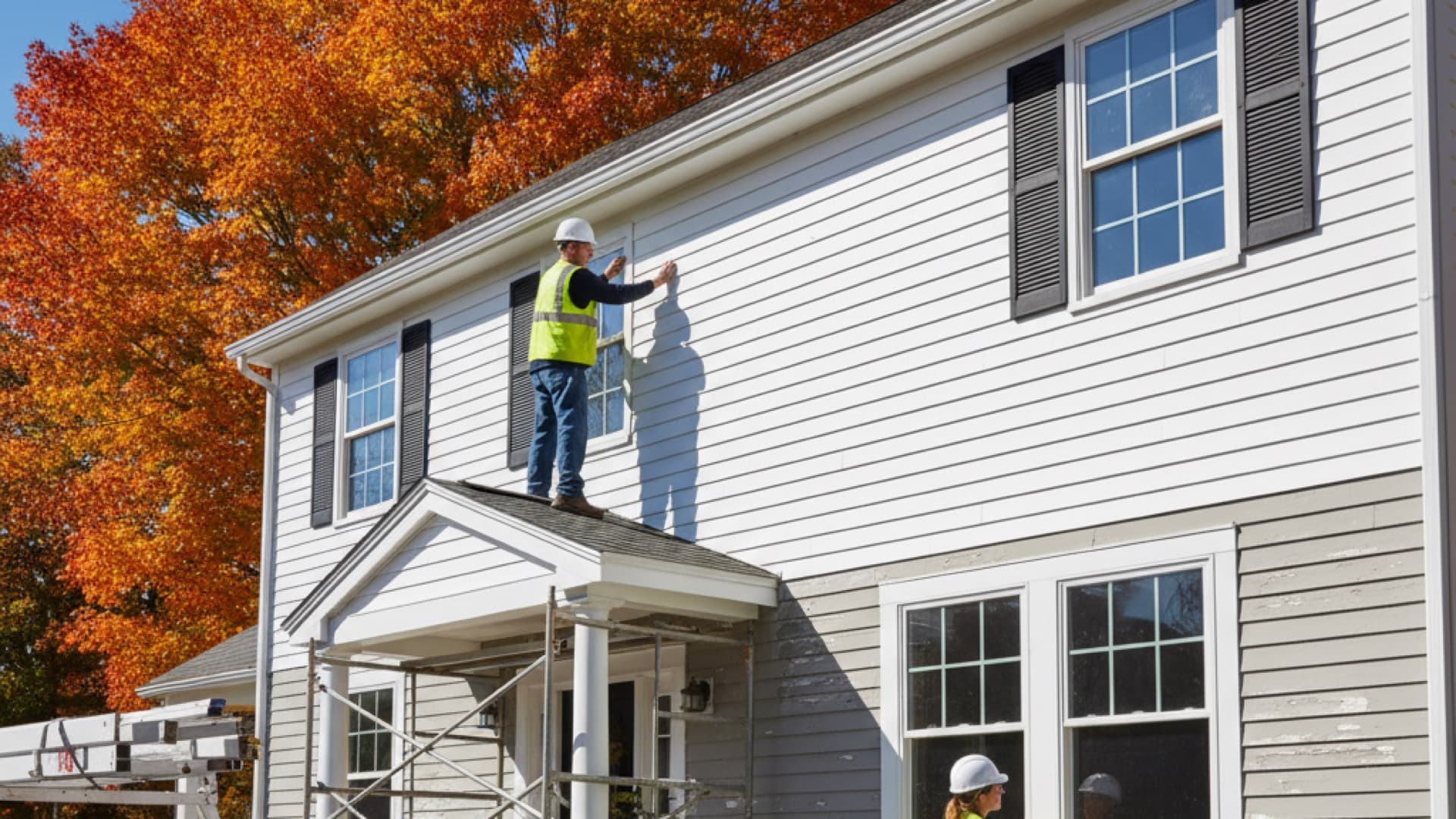
Siding & Windows
Replace siding, windows, or both for your Providence home. Understand the real costs by material, scope, and bundle savings before you get quotes.
Last updated: March 2026
Typical project
$400 – $22,000+
Takes about
1–2 days (windows) to 1–2 weeks (full siding)
Scheduling
2–4 weeks
Our Process
Every project follows the same steps so nothing gets missed.
Tell us what you need
Call or text us. We ask targeted questions about your project so we understand the full scope upfront.
We scope it properly
Photos of your current siding or windows help us assess condition remotely. For full replacements we measure on-site to get material quantities exact.
Clear estimate, no surprises
You get a line-item estimate with options. Approve it and we lock in your schedule.
We execute and guarantee it
Our team handles the work from start to cleanup. If something isn't right, we fix it.
Call or Text for Expert Help
Get personalized guidance for siding & windows services from our team of experts.
Detailed Pricing by Scenario
Select a scenario to see the full cost breakdown.
| Item | Budget | Mid-Range | Premium |
|---|---|---|---|
| Windows (10 vinyl double-hung) | $2,500 | $4,000 | $5,500 |
| Removal & disposal of old windows | $300 | $400 | $500 |
| Installation labor | $800 | $1,200 | $1,500 |
| Insulation, caulking & trim | $400 | $600 | $800 |
| Total (installed) | $4,000 | $6,200 | $8,300 |
Design & Material Decisions
Choices you'll make during this project and how they affect cost.
Your siding choice affects cost, maintenance, lifespan, and curb appeal. Providence homes range from vinyl-clad ranches to cedar-shingled Victorians.
Vinyl
+ Most affordable
+ Virtually maintenance-free
+ Wide color selection
- Can look less premium
- Fades over time
- Not paintable (stuck with the color you choose)
Fiber Cement (Hardie Board)
+ Durable — lasts 30–50 years
+ Paintable in any color
+ Fire and pest resistant
- Higher cost than vinyl
- Heavier — requires experienced installers
- Needs repainting every 10–15 years
Wood (cedar, clapboard)
+ Classic New England look
+ Paintable and stainable
+ Period-appropriate for historic homes
- Highest maintenance — painting every 5–7 years
- Susceptible to rot and insects
- Most expensive option
Window frame material affects energy efficiency, maintenance, and aesthetics. Most Providence homeowners choose vinyl or fiberglass for the best value.
Vinyl
+ Most affordable
+ No painting or staining needed
+ Good energy efficiency
- Limited color options
- Can warp in extreme heat
- Less premium appearance
Wood
+ Classic look — ideal for historic homes
+ Paintable in any color
+ Excellent insulation
- Requires periodic painting and maintenance
- Susceptible to rot if not maintained
- Most expensive
Fiberglass
+ Extremely durable and strong
+ Low maintenance
+ Best energy efficiency
- Higher cost
- Fewer style options than wood
- Not widely available from all manufacturers
Common Mistakes We See
The cheapest quote usually skips housewrap
Housewrap (Tyvek or similar) is the weather barrier behind your siding. Skipping it saves the installer a day of labor but leaves your home vulnerable to water damage. Always confirm housewrap is included.
Energy savings from new windows are real but take years to pay off
New windows typically save $200–$500/year on energy bills. At $6,000–$10,000 for a full set, the payback period is 12–30 years. Buy new windows for comfort and curb appeal — the energy savings are a bonus, not a justification.
What Affects the Cost?
Material is the biggest cost driver. Vinyl siding runs $5–$8/sqft, fiber cement $8–$12/sqft, and wood $10–$15/sqft. For windows, vinyl is $400–$800 per unit while wood or fiberglass runs $600–$1,200.
Example range: 2–3x cost difference between vinyl and premium materials
More windows or larger homes mean proportionally higher costs. A 10-window project costs roughly $4,000–$8,000 while a 20-window project doubles that.
Example range: Scales linearly with quantity
If sheathing, framing, or insulation is damaged behind old siding or around window openings, repairs can add significantly to the project. You won't know until the old material comes off.
Example range: +10–25% for homes with rot or water damage
Pre-1978 homes require lead paint testing and safe removal practices. Older homes may also have non-standard window sizes requiring custom orders with longer lead times.
Example range: +$300–$1,500 for lead-safe work
Multi-story homes require scaffolding or lifts, adding to labor time and equipment costs. Second and third floor windows are more expensive to install than ground-level.
Example range: +$500–$2,000 for scaffolding
Ways to Save Money
Bundle siding and windows in one project
Potential savings: 5–10%
Tradeoff: Larger upfront investment, but saves on labor and scaffolding
Choose vinyl over fiber cement or wood
Potential savings: 30–50% on materials
Tradeoff: Less premium appearance, not paintable after install
Do one side of the house at a time
Potential savings: Spread cost over months
Tradeoff: Slightly higher total cost due to repeated mobilization, but manageable cash flow
Book in late fall or winter
Potential savings: 5–15%
Tradeoff: Cold weather can slow sealant curing; some crews limit winter work
Skip custom window sizes when possible
Potential savings: $100–$300 per window
Tradeoff: Standard sizes may require minor framing adjustments
Ask about manufacturer rebates and energy credits
Potential savings: $200–$2,000+
Tradeoff: None — just paperwork. ENERGY STAR windows often qualify for federal tax credits
Frequently Asked Questions
Ready to Get Started?
Call or text us for a free consultation about siding & windows services. Our experts are ready to help.
Call or Text
401.407.5678Available 7 days a week • Response within minutes
Get a Free Text Estimate: