Repair or Replace?
A practical framework for one of homeownership's toughest decisions
The $500 Question
Something just broke. Your contractor is waiting for an answer. The real cost isn't just the repair bill—it's making the wrong choice. We've helped hundreds of New England homeowners navigate this decision. Here's the framework we use.
Last updated: February 2026
1How old is the system?
2Repair cost vs. replacement?
3Repair history?
4Any safety concerns?
5How long will you stay?
The 50% Rule
If the repair costs more than 50% of replacement, replace it.
This is your starting point—but not the whole picture. A 12-year-old furnace at 50% repair cost is different from a 5-year-old one. Below, we break down each major system so you can make a confident call.
System-by-System Breakdown
Repair Range
$0
Typical repair cost
Replace Range
$5,500 - $12,000
Full replacement
Repair if cost is under:
$1,500
Signs you should replace:
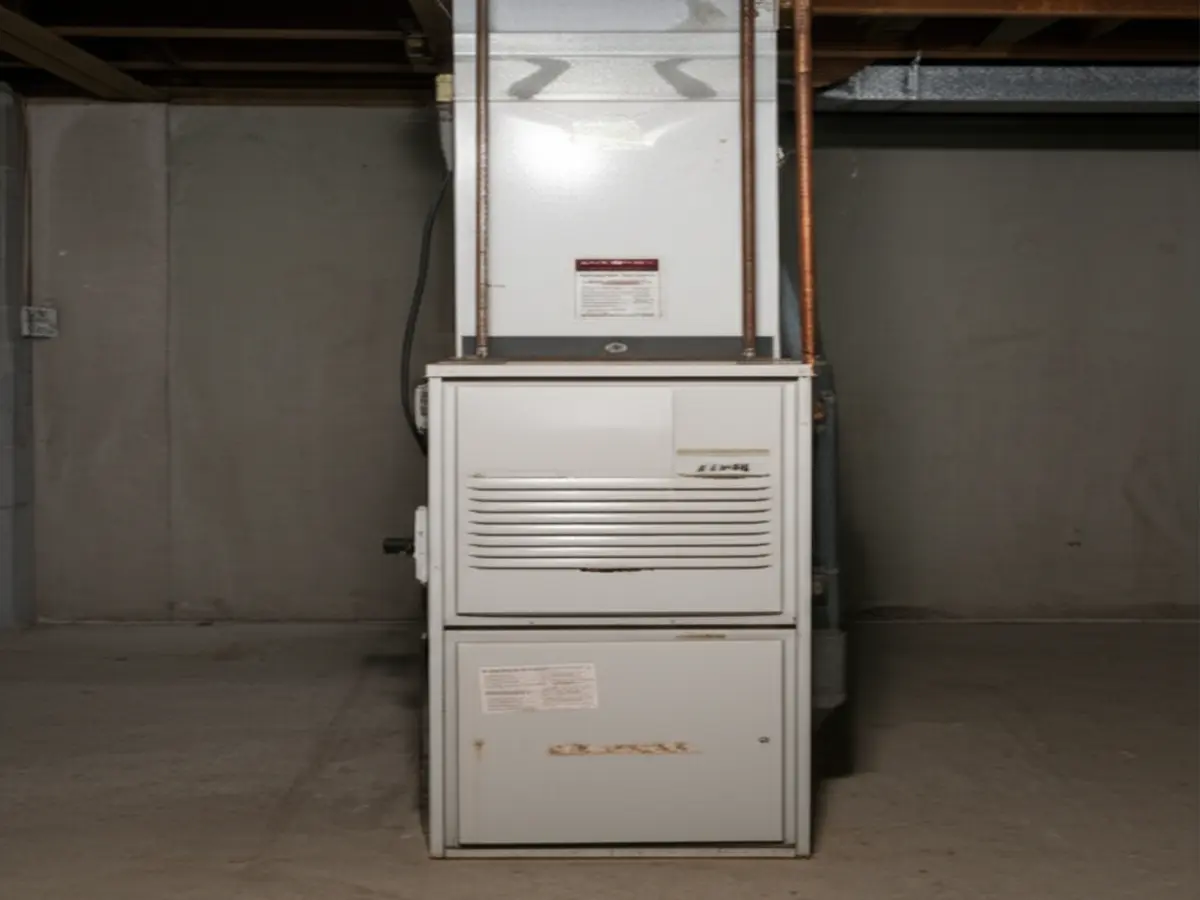
Tech pointing at or examining major component failure (compressor, heat exchanger)
HVAC unit with multiple service stickers showing recent repair history
Utility bill or thermostat display showing inefficient operation
View as text list
- 1.System is over 15 years old AND has a major failure
- 2.Repair would cost more than $2,000
- 3.You're seeing frequent breakdowns (3+ in past 2 years)
- 4.Energy bills are climbing despite regular maintenance
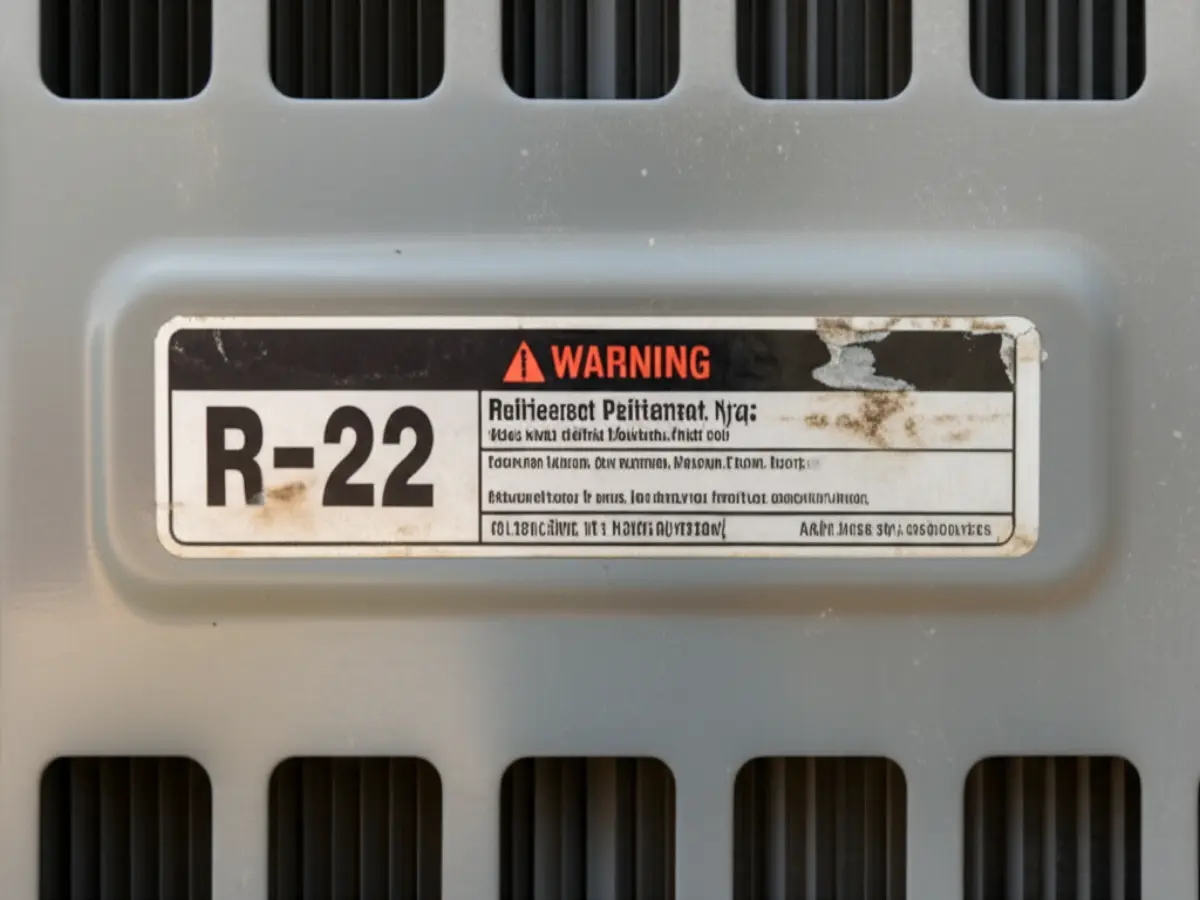
- 5.The system uses R-22 refrigerant (being phased out)
When Repair Actually Makes Sense
Quick Decision Checklist
1How old is the system?
2What's the repair cost vs. replacement cost?
3Has this system needed repairs before?
4Are there any safety concerns?
5How long do you plan to stay in this home?
Still not sure?
Sometimes you need a professional opinion. A ZenHome pro can assess your system and give you honest options—no pressure, just straight answers.